Bathroom Renovation Mistakes That Force You to Start Over
Bathroom mistakes are expensive because they hide under tiles. These are the decisions to get right before waterproofing and tiling begin.
Bathroom renovation mistakes are different from mistakes in other rooms. A badly placed sofa can be moved. A shower that was never properly waterproofed has to be demolished. The work is layered, wet, and mostly hidden, so the cost of getting it wrong is paid twice. Here are the errors that come up again and again, and how to avoid them.
1. Treating waterproofing as a surface coat
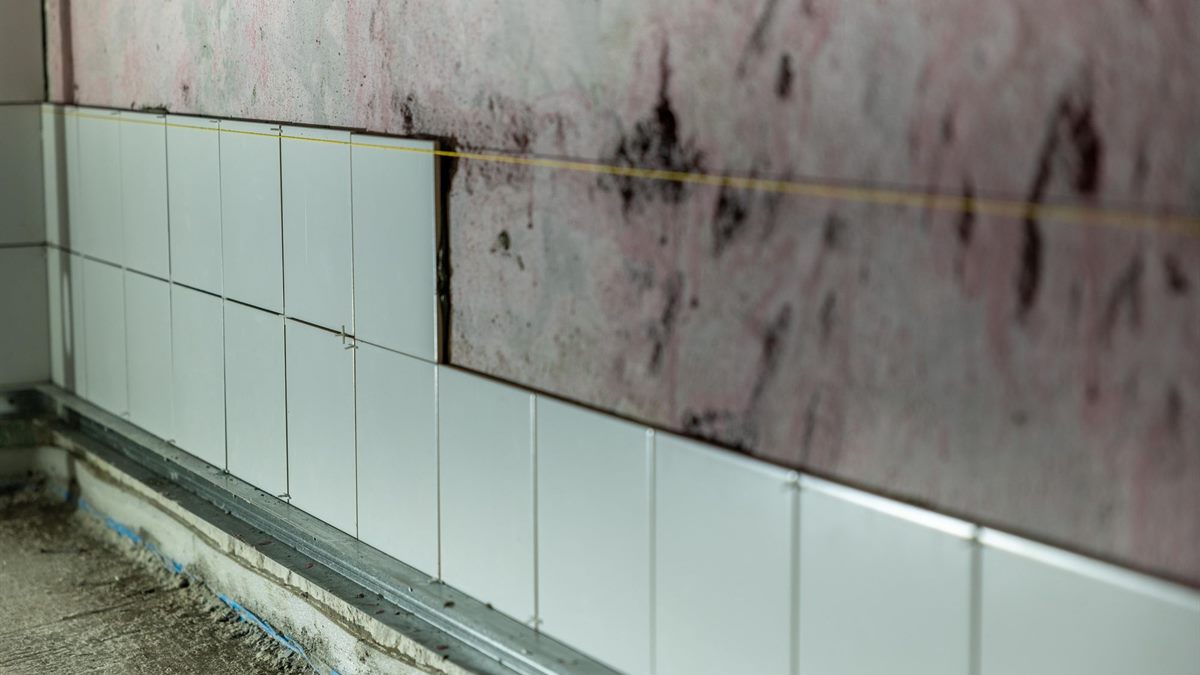
Waterproofing is a system, not a paint. It needs a prepared, clean substrate, the correct primer, reinforcing tape at corners and joints, and enough coats to reach the manufacturer’s specified thickness. The floor-to-wall junction, the drain collar, and the shower niche are the places where failures start.
Ask for photographs of each stage before the tiling covers it. Once the tiles are down, the only way to inspect the membrane is to remove them.
2. Ignoring the fall to the drain
Water has to be able to leave the floor. A shower floor needs a continuous slope towards the drain, with no flat spots or dips where water can pool. Ponding water keeps the grout wet, feeds mould, and eventually finds a weak point in the membrane.
Test the slope before tiling by pouring water on the screed and watching where it settles. If it sits, the screed needs correction while it is still accessible.
3. Forgetting ventilation
Every bathroom generates moisture, and a window alone is not reliable in cold or rainy weather. An extractor fan sized for the room and ducted to the outside removes humid air at the source. A fan that vents into the roof space simply moves the problem.
Moisture that stays in the room condenses on cool surfaces, feeds mould, and damages paint and joinery. The EPA guide to mould cleanup explains why controlling moisture is the first step, and when a mould problem is too large to handle yourself.
4. Moving fixtures without checking the drain route
A new layout looks simple on paper until the toilet soil pipe has to cross a structural beam or the shower drain cannot reach the stack with enough fall. Moving a toilet is usually the most constrained change in a bathroom, because waste pipes need a continuous downward slope.
Confirm the route with your plumber before demolition. If the new position requires raising the floor or boxing in a pipe, decide whether that is acceptable before the tiles are ordered.
5. Choosing finishes before the layout is fixed
Large-format tiles and a walk-in shower are both good choices, but they impose constraints. Large tiles need a very flat substrate. A walk-in shower needs a longer slope and often a linear drain. Choosing the finish first can force expensive structural work later.
- Fix the fixture positions first.
- Then confirm the drainage and waterproofing details.
- Then select tile size and slip rating.
- Finally choose fittings and accessories that match the available space.
6. Skipping the extractor and electrical plan
Bathrooms have specific electrical safety requirements, including protection from water and the correct zones for switches and outlets. Lighting, fan, shaver point, and heated towel rail all need to be planned before the walls are closed. Adding a circuit later means opening finished surfaces.
Use a qualified electrician and keep the certification. The HSE construction guidance is a helpful reference for managing risk when several trades work in a small space.
7. Buying fittings too early or too late
Buy too early and you may own a basin that does not fit the vanity you later choose. Buy too late and the tiler waits, which adds cost. Set a procurement date for each item and confirm dimensions against the drawing before ordering.
Keep spares of tiles and grout. A future repair is much harder when the tile range has been discontinued.
8. No plan for the rest of the house
A bathroom renovation removes a toilet and a basin from service for weeks. Decide where the household will wash and use the toilet during that time. A temporary arrangement that is agreed in advance prevents daily conflict and rushed decisions.
If the bathroom is part of a larger project, run the work in the right order. Our home renovation checklist sets out the sequence of decisions and trades.
The finish line
Test everything before you pay the final invoice: run every tap, flush the toilet, check the shower drains without pooling, run the fan, and look for leaks under the vanity. Then read our guide to patching and painting walls before you touch up the areas around new fixtures.
A good bathroom is boring in the best way. Nothing leaks, nothing smells damp, and the floor is dry an hour after a shower.
Frequently Asked Questions
How long should bathroom waterproofing last?
A correctly installed membrane can last many years, but its life depends on the product, the substrate, and the workmanship. Keep the manufacturer warranty and photographs of the installation.
Do I need an extractor fan if the bathroom has a window?
A window helps, but it is not reliable in all weather and does not remove moisture while the room is closed. A ducted extractor fan is the more consistent solution, especially in humid climates.
Can I move a toilet in a bathroom renovation?
Often yes, but it is constrained by the waste pipe route. Waste pipes need a continuous fall to the stack, so the new position may require raising the floor or boxing in pipework. Confirm with a plumber before demolition.
Should I choose large tiles for a small bathroom?
Large tiles can make a small bathroom look calmer because there are fewer grout lines. They require a very flat substrate and careful setting-out, so confirm the tiling plan with your installer before ordering.