How to Choose a Sofa Size That Actually Fits Your Room
Sofas are bought by seat count and returned by the centimetre. Measure the room, the route, and the way you sit before you choose a size.
Sofa size is usually described as a seat count: two-seater, three-seater, corner. That tells you very little about whether the sofa will work in your room. The measurements that matter are the ones you can only take yourself: the wall length, the walkway you need to keep, the door it has to pass through, and the way your household actually sits.
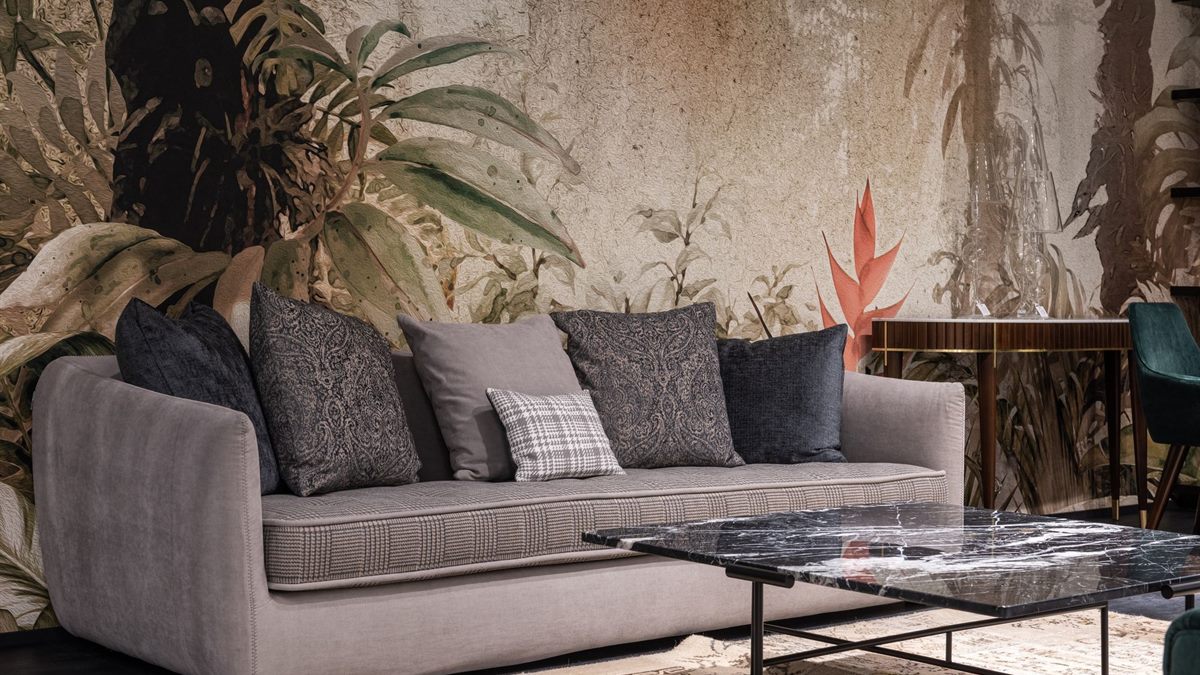
Measure the wall and the room, not the catalogue
Start by measuring the wall where the sofa will stand, then subtract the space you need at each end for a side table, a lamp, or simply breathing room. A sofa that fills the wall from edge to edge can look heavy and leaves no flexibility.
Then measure the room in the other direction. Sit where the sofa will be and check the distance to the opposite wall, the television, and the main walkway. A large sofa in a narrow room may fit the wall but leave no comfortable viewing distance.
The clearances a sofa needs
- Main walkway: about 36 inches (90 cm) where people pass through.
- Secondary path: about 24 inches (60 cm) between the sofa and another piece.
- Coffee table gap: 14 to 18 inches (35 to 45 cm) from the sofa front.
- Recliner clearance: enough space for the footrest to open fully without hitting anything.
- Radiator or heater: keep the manufacturer’s clearance; do not block heat or ventilation.
If the numbers do not work, a smaller sofa with an ottoman is usually more useful than a larger sofa with no room to move.
Seat depth decides comfort more than width
Seat depth is the distance from the front edge of the cushion to the back. Shallow seats suit upright sitting and conversation; deep seats suit lounging but can leave shorter sitters with their feet off the floor. A depth around 20 to 22 inches (50 to 55 cm) is a common middle ground; deeper sofas are often around 24 inches or more.
Sit in the actual sofa if you can. If you are buying online, compare the seat depth and seat height with a chair you already find comfortable, and check the return policy.

Check the delivery route before you buy
A sofa that will not fit through the door is not a bargain. Measure the narrowest point on the route: the front door, the lift, the stairwell, and any tight turn. Remember that a sofa can often be tilted, but a fixed frame cannot be folded.
Also confirm whether the legs or back can be removed. A sofa that ships in sections may fit where a rigid one will not. Ask the retailer for the packaged dimensions, not just the assembled size.
Match the size to how the room is used
A formal sitting room may need a sofa that seats three without reclining. A family room may need a washable cover and a deeper seat. A small apartment may be better served by a two-seater plus a comfortable chair than by a corner sofa that blocks the window.
The sofa also has to work with the layout. Our guide to a small living room layout explains how to place seating around walkways instead of against every wall.
Fabric, filling, and indoor air
Upholstery choice affects durability and maintenance as much as appearance. Tight-weave fabrics resist snagging; removable covers make cleaning easier; leather wipes clean but can be cold and slippery. Foam and synthetic fabrics may release volatile organic compounds when new, so ventilate the room and allow a settling period. The EPA overview of VOCs explains the concern.
If anyone in the household has asthma or allergies, choose materials that can be cleaned thoroughly and keep the room ventilated. The EPA guide to improving indoor air quality has practical steps.
A measurement checklist for the shop
- Wall length and the space you want at each end.
- Overall width, depth, and height of the sofa.
- Seat width, seat depth, and seat height.
- Arm height if you want to rest your head or place a side table.
- Doorway, stair, and lift dimensions.
- Packaged dimensions and whether legs or back remove.
Once the size is settled, treat the lighting as part of the same decision: a deep sofa in a dark corner will feel like a different piece once a floor lamp and a wall light are in place. Our layered lighting guide shows how to plan the light around the seating.
Frequently Asked Questions
What is a standard three-seater sofa size?
Three-seat sofas vary widely, but a common overall width is roughly 80 to 90 inches (200 to 230 cm). Always check the specific product dimensions, because seat count does not guarantee the same footprint.
How much space should I leave around a sofa?
Keep about 36 inches (90 cm) for a main walkway and around 24 inches (60 cm) for a secondary path. Leave 14 to 18 inches between the sofa and a coffee table.
Is a deep sofa better for lounging?
A deeper seat is more comfortable for lying down, but it can leave shorter sitters unsupported. A depth around 20 to 22 inches suits many people for upright sitting; deeper sofas need cushions or a footstool.
How do I know if a sofa will fit through my door?
Measure the narrowest part of the route, including turns, and compare it with the sofa dimensions and the packaged size. Ask whether the legs or back can be removed before delivery.