Small Garden Design Ideas That Work in Real Life
A small garden does not need more plants. It needs a clear job for each square metre, a route that works, and plants that survive the weather you actually get.
A small garden design succeeds when every part of it has a job. The most common failure is not a lack of ideas; it is trying to fit a lawn, a dining set, a flower border, and a storage shed into a space the size of a parking bay. Decide what you want to do outside, then give each activity a zone and let the planting support it.
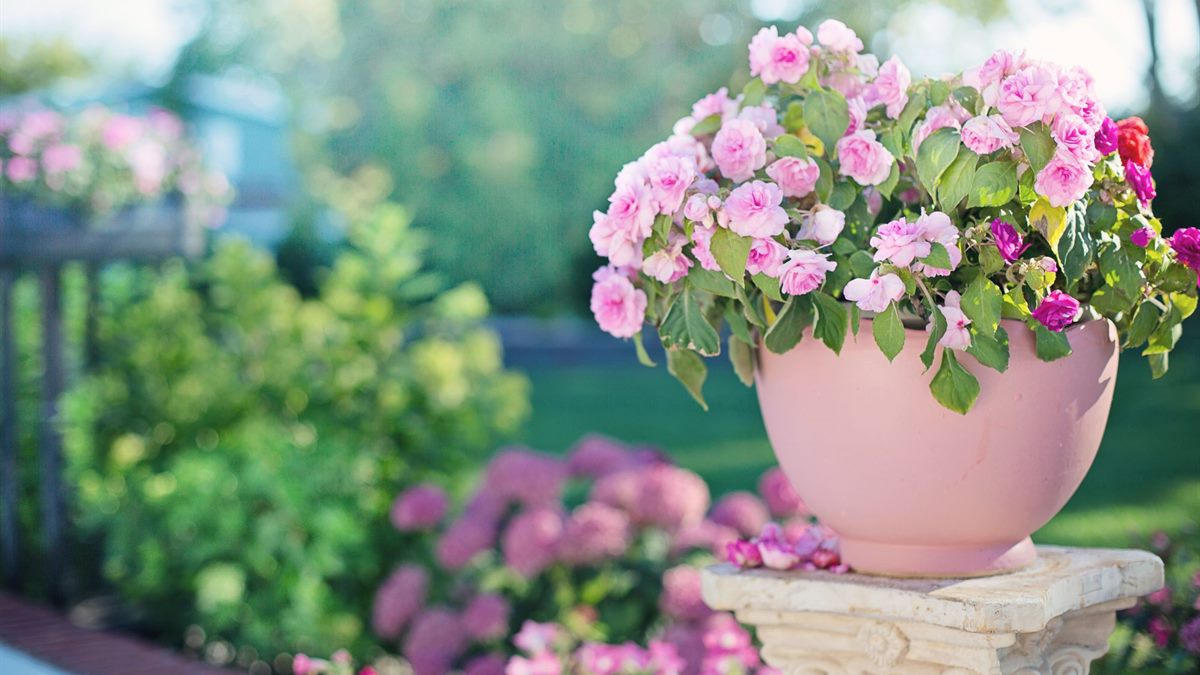
Start with how you will use the space
List the activities that actually happen outdoors: eating, sitting with a drink, drying laundry, storing bikes, letting a pet out, growing herbs. Rank them. The top two get dedicated space; everything else has to share or wait.
Then observe the sun. A spot that is sunny at noon may be shaded by a wall in the afternoon. Note where morning sun lands, where the wind hits, and where water collects after rain. These observations decide what you can plant and where you can sit comfortably.
Create zones instead of filling the space
Even a tiny garden benefits from two or three zones. A change of surface is enough to mark them: paving for the table, gravel for pots, planting bed for soil. The eye reads the change and the space feels larger because it is organised.
- Entry zone: the first metre inside the gate. Keep it clear and welcoming.
- Sitting zone: level, sheltered, and placed where the sun is pleasant at the time you use it.
- Growing zone: the deepest border or the sunniest wall.
- Service zone: bins, drying rack, or storage, screened rather than hidden badly.
Use the vertical space
In a small garden, the walls and fences are as valuable as the floor. Climbing plants, wall-mounted planters, a slim shelving unit, and hooks for tools all add capacity without eating floor area. A trellis also softens a bare boundary and can screen an overlooked corner.
Choose climbers that suit the structure. Some need a sturdy frame and regular pruning; others are lighter and easier. Check the mature height and spread before planting, because a vigorous climber in a small garden becomes a maintenance job rather than a feature.
Choose plants for the conditions, not the picture
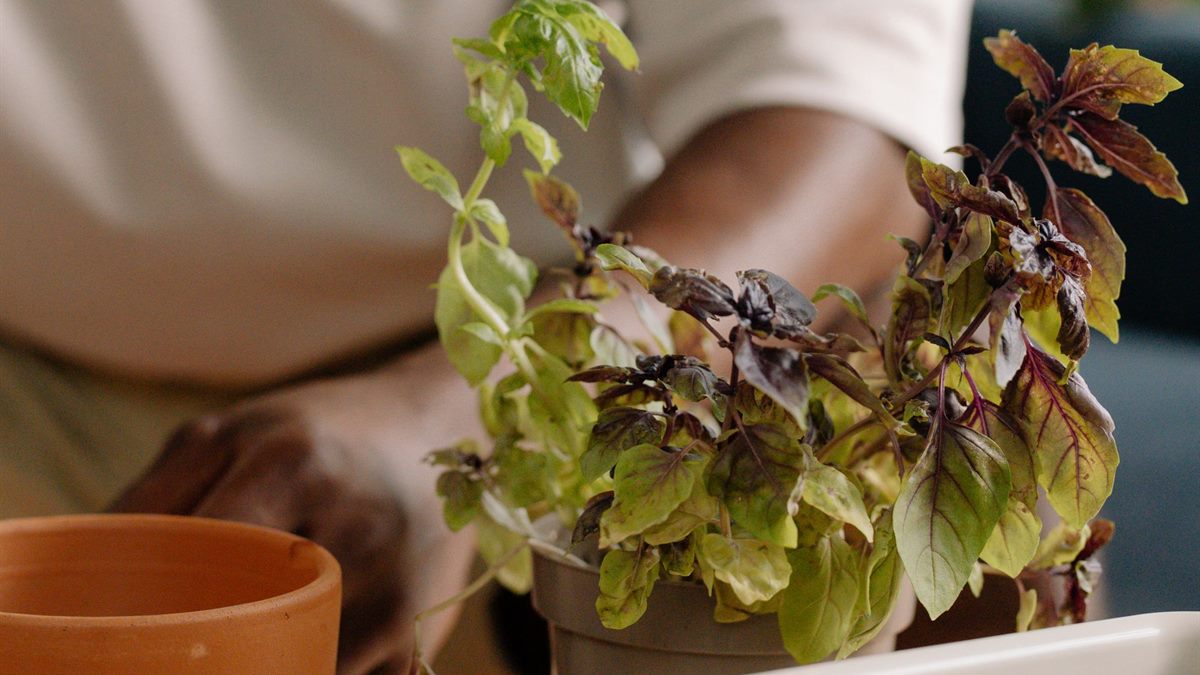
A plant that needs constant watering and shade will struggle in a hot, exposed garden no matter how good it looked online. Match the plant to the light, soil, and rainfall you actually have. Native or locally adapted plants usually need less intervention.
- Check the light level at the planting spot across a full day.
- Check whether the soil drains or stays wet.
- Group plants with similar water needs so you can irrigate efficiently.
- Leave gaps for plants to fill in rather than crowding them at planting time.
Handle drainage before you plant
Water that cannot drain will drown roots and turn a sitting area into mud. If the ground is compacted or the garden is below the level of the street, consider a raised bed, a gravel-filled soakaway, or a simple channel to a drain. Direct downpipes away from the house and keep soil below the damp-proof course.
Water is also a resource. Collecting roof runoff in a water butt reduces tap use and gives you softer water for plants. Outdoor water use adds up quickly in summer, and the EPA WaterSense outdoor guidance explains practical ways to use less.
Keep maintenance realistic
A low-maintenance garden is designed, not neglected. Ground cover reduces weeds, a thick mulch holds moisture, and a simple irrigation line saves time. Choose a small number of repeated plants rather than a collection of one-offs; repetition looks intentional and is easier to care for.
Composting kitchen and garden waste closes the loop and improves the soil, provided you balance greens and browns and keep the pile aerated. The EPA home composting guide explains the basics.
Connect the garden to the house
The garden should feel like a room outside. Repeat a material from the interior, keep the paving level with the threshold where possible, and light the route so it is usable after dark. Our guide to a front porch makeover applies the same principle to the entrance.
Finally, write a short seasonal plan: what to prune, when to feed, and what to check after heavy rain. The same preparation habits in our bathroom renovation guide — check drainage, watch for damp, fix small leaks early — apply to the outside of the house too.
A small garden is finished when it is easy to use, not when it is full. Leave room for a chair, a table, and the possibility of change.
Frequently Asked Questions
What is the best way to make a small garden look bigger?
Create distinct zones, use vertical space, keep the boundary treatment simple, and repeat a small number of plants. A clear route and a visible focal point also help the eye travel further.
Which plants are low maintenance for a small garden?
Choose plants suited to your light and soil conditions, ideally locally adapted species. Ground cover, drought-tolerant perennials, and structural shrubs usually need less attention than annual bedding.
How do I stop water pooling in a small garden?
Improve drainage before planting. Options include raised beds, gravel soakaways, a shallow channel to a drain, and redirecting downpipes away from the house and patio.
Do I need planning permission for a small garden structure?
Rules vary by location and by the size and height of the structure. Check with your local authority before building a shed, pergola, or fence, especially near a boundary.